

مركز اليونسكو الإقليمي للجودة والتميز في التعليم يشارك في منتدى «مستقبل ذكي للشباب 2026»
المركز يؤكد أهمية توظيف الذكاء الاصطناعي لتعزيز جودة التعليم
د. منى على الغامدي
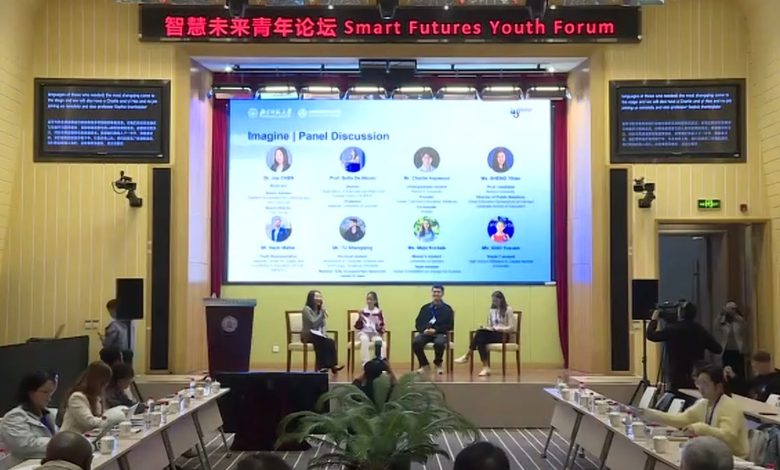
شارك مركز اليونسكو الإقليمي للجودة والتميز في التعليم (RCQE)، في أعمال منتدى «مستقبل ذكي للشباب 2026» (Smart Futures Youth Forum)، الذي عُقد في 23 أكتوبر 2026م بجامعة بكين للمعلمين في جمهورية الصين الشعبية، تحت شعار «نحن المستقبل: نتخيل، نبتكر، نُحدث الأثر» (We the Future: Imagine, Innovate, Impact)، بمشاركة نخبة من الأكاديميين والباحثين والشباب من مختلف دول العالم، لمناقشة مستقبل التعليم في ظل التطورات المتسارعة في تقنيات الذكاء الاصطناعي.
وجاءت مشاركة المركز ضمن جلسة «تخيّل: استشراف مستقبل التعليم في عصر الذكاء الاصطناعي» (IMAGINE)، التي تناولت تطلعات الشباب لمستقبل التعليم لما بعد عام 2030، والتحولات المطلوبة في أساليب التعليم والتعلّم، وأهمية تعزيز دور المتعلمين في صياغة التوجهات والسياسات التعليمية المستقبلية.
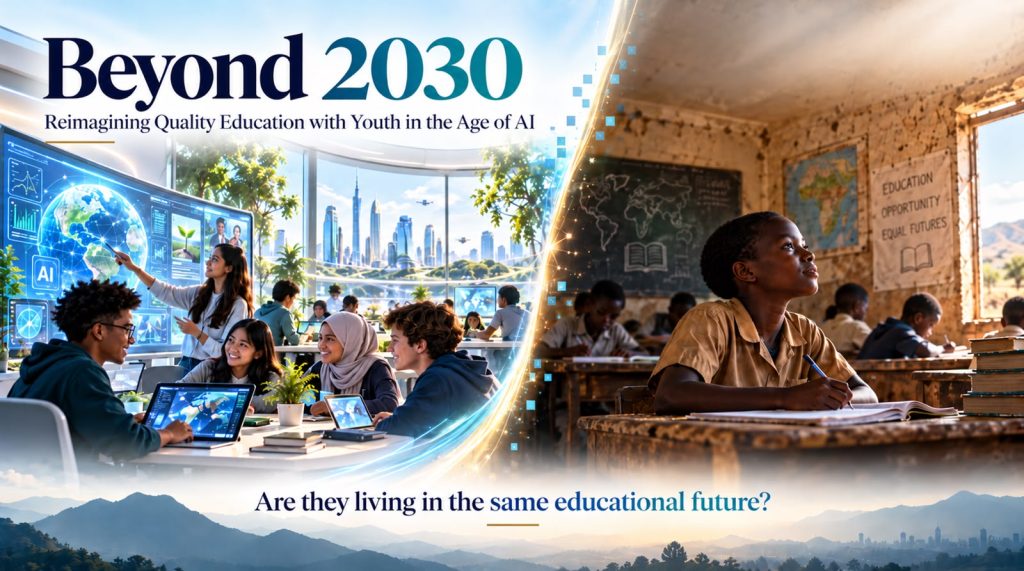
وقدّم المركز مداخلة بعنوان «ما بعد 2030: إعادة تصور التعليم الجيد بمشاركة الشباب في عصر الذكاء الاصطناعي»، تناول خلالها ثلاثة تحولات رئيسة ينبغي مراعاتها عند تطوير النظم التعليمية، تتمثل في الانتقال من التركيز على إتاحة التقنيات إلى تحسين جودة التعلّم وتكافؤ الفرص، ومن اكتساب المعرفة إلى تنمية القدرات الإنسانية والتفكير النقدي، ومن إشراك الشباب بصورة محدودة إلى تمكينهم من المشاركة الفاعلة في صياغة القرارات والسياسات التعليمية.
وسلّطت المداخلة الضوء على التفاوت في فرص الوصول إلى الموارد والتقنيات التعليمية، ولا سيما في المنطقة العربية، مؤكدةً أن التقدم في توظيف الذكاء الاصطناعي ينبغي أن يُقاس بمدى إسهامه في تحسين نواتج التعلّم وتوسيع الفرص التعليمية لجميع المتعلمين، وليس بمجرد انتشار الأدوات والمنصات الرقمية.
كما تناولت المشاركة أهمية الحفاظ على البعد الإنساني في العملية التعليمية، وتعزيز مهارات التفكير المستقل والإبداع والتقييم النقدي للمعلومات، إلى جانب دعم قدرات المعلمين والمتعلمين على الاستخدام المسؤول والفعّال لتطبيقات الذكاء الاصطناعي.
وفي إطار النقاشات المصاحبة للجلسة، طُرحت أهمية تطوير آليات مؤسسية ومستدامة لمشاركة الشباب في صنع القرار التعليمي، وإشراكهم في تحديد الأولويات وتصميم السياسات وتقييم أثرها، مع ضمان تمثيل مختلف الفئات والخلفيات، وتعزيز المساءلة بشأن مدى انعكاس مساهماتهم على القرارات المتخذة.
وتأتي هذه المشاركة في سياق اهتمام مركز اليونسكو الإقليمي للجودة والتميز في التعليم بتعزيز الحوار وتبادل المعرفة والخبرات حول مستقبل التعليم، واستشراف الفرص والتحديات المرتبطة بالتحول الرقمي والذكاء الاصطناعي، بما يدعم تطوير نظم تعليمية أكثر جودةً وإنصافاً واستجابةً لاحتياجات المتعلمين وتطلعات الأجيال القادمة.
UNESCO Regional Center for Quality and Excellence in Education Participates in Smart Futures Youth Forum 2026 at Beijing Normal University
RCQE highlights quality, equity and meaningful youth participation in shaping the future of education in the age of artificial intelligence
The UNESCO Regional Center for Quality and Excellence in Education (RCQE) participated in the Smart Futures Youth Forum 2026, held on 23 October 2026 at Beijing Normal University, China, under the theme “We the Future: Imagine, Innovate, Impact.” The Center joined the Forum virtually alongside academics, researchers, education practitioners and young people from different countries.
RCQE’s contribution formed part of the IMAGINE session, entitled “Envisioning the Futures of Education in the Age of AI,” which explored young people’s aspirations for education beyond 2030, the transformation of teaching and learning in response to artificial intelligence, and the importance of strengthening learner agency in shaping future education systems.
During the session, the centre delivered a presentation entitled “Beyond 2030: Reimagining Quality Education with Youth in the Age of AI,” outlining three interconnected priorities for educational transformation: shifting the focus from access to technology towards quality and equitable learning; moving beyond knowledge acquisition to the development of human capabilities, including critical thinking and independent judgement; and strengthening young people’s meaningful participation in educational planning, governance and decision-making.
Drawing on perspectives from the Arab region, the intervention highlighted disparities in access to educational resources and opportunities, emphasizing that technological advancement alone does not guarantee improvements in educational quality. Rather, the effectiveness of AI-enabled education should be assessed through its contribution to meaningful learning outcomes, inclusion and the development of competencies that prepare young people for further education, employment and active participation in society.
The intervention further emphasized the importance of preserving the human dimensions of learning, particularly creativity, critical thinking and ethical judgement, while strengthening the capacities of both educators and learners to engage responsibly and effectively with emerging technologies.
During the accompanying panel discussions, attention was also given to the need for structured and sustainable mechanisms for youth participation in education decision-making, including opportunities for young people to contribute to identifying priorities, developing policies and assessing their implementation. The discussions underscored the importance of inclusive representation and accountability in ensuring that youth perspectives meaningfully inform educational decisions.
RCQE’s participation reflects its commitment to advancing dialogue, knowledge exchange and regional and international cooperation on quality and excellence in education. It also reinforces the importance of promoting inclusive, equitable and learner-centred approaches to educational transformation, particularly as education systems respond to the opportunities and challenges associated with artificial intelligence and look towards the post-2030 education agenda.
— END —