
توسعات اتفاقية للمدفوعات السعودية والقطرية وإعلانات استثمارية بارزة في اليوم الثاني من Money20/20 Middle East 2026
الرياض – عادل حلمي
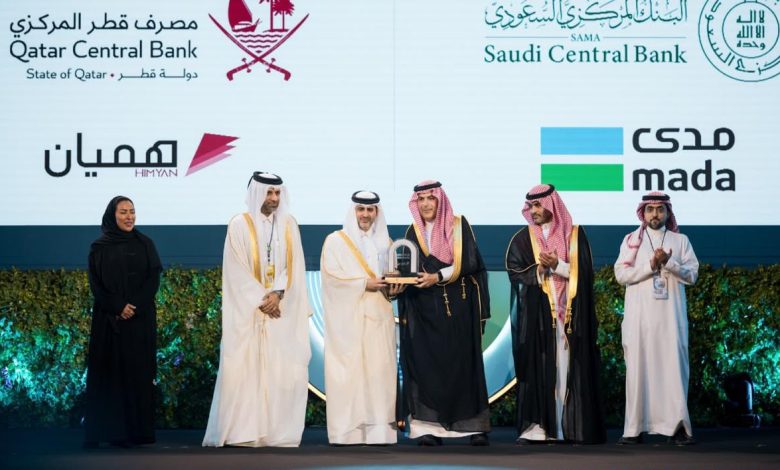
• البنك المركزي السعودي ومصرف قطر المركزي يعلنان اتفاقية تتيح استخدام بطاقتي «مدى» و«هميان» في كلا البلدين.
• معالي محافظ البنك المركزي السعودي الأستاذ أيمن بن محمد السياري، يسلط الضوء على النمو المتسارع لقطاع التقنية المالية في المملكة مع تجاوز الاستثمارات في القطاع 30 مليار ريال بنهاية النصف الأول من العام.
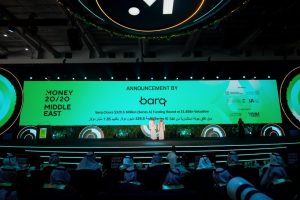
• barq تعلن عن جولة تمويل من الفئة «A» بقيمة 329.5 مليون دولار عند تقييم بلغ 1.85 مليار دولار فيما تطلق Network International خدمات قبول المدفوعات للتجار في السعودية.
الرياض، المملكة العربية السعودية – 15 سبتمبر 2026: شهد اليوم الثاني من Money20/20 Middle East في الرياض سلسلة من الاتفاقيات البارزة والإعلانات الاستثمارية والتطورات في القطاع، تصدرتها اتفاقية نوعية بين البنك المركزي السعودي ومصرف قطر المركزي تتيح استخدام بطاقتي الدفع الوطنيتين «مدى» و«هميان» في كلا البلدين. وألقى معالي الأستاذ أيمن بن محمد السياري، محافظ البنك المركزي السعودي، الكلمة الافتتاحية لليوم الثاني، التي تناول خلالها مستقبل المنظومات المالية وأهمية التوسع مع الحفاظ على الاستقرار، وسلط معاليه خلال كلمته الضوء على النمو المتسارع لقطاع التقنية المالية في المملكة، الذي يضم اليوم 371 شركة عاملة، إلى جانب التوسع المستمر في الخدمات المالية الرقمية، حيث تمثل المدفوعات الإلكترونية أكثر من 85% من إجمالي معاملات مدفوعات التجزئة، فيما تعمل أكثر من 307 جهات حاليًا ضمن إطار المصرفية المفتوحة في المملكة.
كما أشار معاليه إلى استمرار ثقة المستثمرين في السوق السعودية، مع تجاوز حجم الاستثمارات في القطاع 30 مليار ريال سعودي بنهاية النصف الأول من عام 2026، بما يعزز مكانة المملكة كوجهة جاذبة للاستثمار على مستوى المنطقة. وانعكس هذا الزخم في سلسلة من الإعلانات خلال اليوم الثاني، في مقدمتها الاتفاقية بين البنك المركزي السعودي ومصرف قطر المركزي، والتي ستتيح لحاملي بطاقتي «مدى» و«هميان» استخدام بطاقاتهم الوطنية بسلاسة وأمان في كل من المملكة العربية السعودية ودولة قطر.
كما أعلنت شركة المدفوعات الرقمية «barq» عن إغلاق جولة تمويل من الفئة «A» بقيمة 329.5 مليون دولار أمريكي، عند تقييم بلغ 1.85 مليار دولار، ما يعزز مكانتها ضمن شركات التقنية المالية الأسرع نموًا في المملكة والمنطقة.
من جانبها، أعلنت شركة Network International خلال اليوم الثاني عن إطلاق خدمات قبول المدفوعات للتجار في المملكة العربية السعودية، وتشمل حلول نقاط البيع التي تتيح للتجار قبول المدفوعات المباشرة في المتاجر والمواقع الفعلية، إلى جانب خدمات التجارة الإلكترونية، بما فيها بوابة للدفع عبر الإنترنت تتيح قبول المدفوعات من خلال المواقع الإلكترونية والقنوات الرقمية.
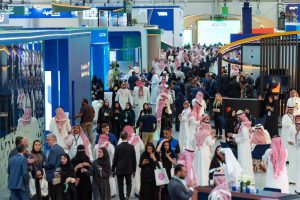
وشهد برنامج اليوم الثاني سلسلة من الجلسات والنقاشات المتخصصة، استعرض قادة وخبراء التقنية المالية من مختلف أنحاء العالم رؤاهم حول أبرز التحولات التي ترسم مستقبل القطاع ومسارات نموه خلال المرحلة المقبلة.
وفي جلسة بعنوان «بناء دولة جاذبة للاستثمار: لماذا يختار رأس المال العالمي المملكة العربية السعودية؟»، ناقش خبراء السوق المقومات التي تجعل الأسواق جاذبة للاستثمار، وأسباب زيادة المستثمرين مخصصاتهم الاستثمارية في المملكة.
وقال محمد علاء الدين، الشريك العام في Development Partners International: “انتقلت المملكة العربية السعودية من كونها سوقًا واعدة إلى سوق جاذبة للاستثمار، وهو تحول مهم بالنسبة للمستثمرين. فقد أصبح من الممكن تقييم الفرص الاستثمارية استنادًا إلى أطر تنظيمية أكثر وضوحًا، وقاعدة أعمق لرؤوس الأموال، وتوافر التمويل في المراحل اللاحقة، إلى جانب مسارات أكثر وضوحًا نحو السيولة والتخارج”.
وأضاف عبد الكريم سماقية، المدير العام لقطاع التقنية المالية في وزارة الاستثمار:” تتوفر أمام المستثمرين الدوليين فرص واسعة في المملكة العربية السعودية، لا سيما في قطاعي التقنية المالية والتكنولوجيا، حيث وصلت العديد من الشركات إلى مستويات متقدمة من النضج، وأصبحت تعمل ضمن أطر تنظيمية واضحة، وتتمتع بحضور راسخ في السوق، وتخدم شرائح مؤثرة. ويخلق ذلك فرصًا لا تقتصر على الاستثمار فحسب، بل تمتد إلى عمليات الاستحواذ، ودخول الشركات الدولية إلى السوق السعودية.”
كما ناقشت جلسة «طبقة الثقة: بناء أنظمة مالية يختار الناس استخدامها» أهمية تحقيق التوازن بين التقنية والعنصر البشري في بناء الثقة.
وقال فهد القثامي، الرئيس التنفيذي لشركة American Express Saudi Arabia: “كلما أصبح العالم أكثر اعتمادًا على الحلول الرقمية، ازدادت أهمية الثقة. فمهما بلغت سهولة الوصول إلى الخدمات، لن تحقق قيمتها الحقيقية في غياب الثقة والأمان، وقد تتحول حينها من فرصة إلى مصدر للمخاطر”.
وتناولت جلسة “من ينبغي أن يتولى تخصيص رأس المال” أثر الذكاء الاصطناعي في القطاع المالي ودوره في دعم القرارات الاستثمارية.
وقالت فريحة أنصاري جاويد، الشريك المسؤول عن دول مجلس التعاون الخليجي وتكوين رأس المال العالمي في شركة “Stride Ventures “هناك فارق كبير بين القدرة والمساءلة. يمكن للذكاء الاصطناعي مساعدتنا في تحليل البيانات وتحديد ما قد نغفله، لكنه لا يلغي دور الحكم البشري. وفي نهاية المطاف، تبقى المسؤولية على عاتق متخذ قرار تخصيص رأس المال، وينبغي للذكاء الاصطناعي أن يدعم هذا الحكم لا أن يحل محله”.
من جانبه، قال حسين المرهون، الشريك المؤسس والإداري في هلا المالية: “يمكن للذكاء الاصطناعي أتمتة العمليات، وجمع المعلومات المتفرقة، وتعزيز دعم اتخاذ القرار، لكنه قد يخلق أيضًا شعورًا زائفًا بالثقة عندما تقترن البيانات غير المكتملة بتحليلات متقدمة. ولهذا نستخدم الذكاء الاصطناعي كأداة تتحدى افتراضاتنا وتثري تفكيرنا، لا كصانع للقرار”.
وفي جلسة أخرى بعنوان «الحكومات بوصفها بُناة للأنظمة المالية»، ناقش المشاركون دور الحكومات في بناء المؤسسات والبنية التحتية التي تهيئ البيئة اللازمة لازدهار رؤوس الأموال، حيث وقال السيناتور أوسيتا إيزوناسو، رئيس لجنة أسواق رأس المال في مجلس الشيوخ بجمهورية نيجيريا الاتحادية: “لا يمكن لرؤوس الأموال أن تتحرك في بيئة يسودها عدم اليقين، كما لا يمكنها التحرك في غياب الثقة. ويظل التشريع عنصرًا أساسيًا، إذ يوفّر سنّ القوانين للجهات التنظيمية الإطار الذي تستند إليه في ممارسة دورها الرقابي.”
وقالت أكشاتا نامجوشي، الشريكة في KARM Legal: “تُقاس جاهزية الجهة التنظيمية بمدى اتساع المشاورات العامة التي تجريها. كما تحتاج الجهات التنظيمية إلى الحوار مع القطاع، وتقييم أوضاع السوق، والاستفادة من الملاحظات والآراء لفهم احتياجات الشركات والمحامين ومقدمي الخدمات، وبناء أطر تنظيمية قادرة على الاستمرار بفاعلية على المدى الطويل.”
وعكست الإعلانات والنقاشات التي شهدها اليوم الثاني انتقال المنظومة المالية بصورة متزايدة من الطموح إلى التنفيذ، مع دخول بنى تحتية وخدمات ورؤوس أموال جديدة إلى السوق، بالتوازي مع استمرار الحوار بين الجهات التنظيمية والمؤسسات المالية وشركات التقنية المالية والمستثمرين وقادة قطاع التقنية.”
وأوضح ستيف دورنينغ، مساعد نائب الرئيس في شركة تحالف: “الكثير مما ناقشه القطاع خلال الأعوام الماضية أصبح اليوم واقعًا ملموسًا. فالذكاء الاصطناعي بات جزءًا متزايدًا من الخدمات المالية اليومية، فيما تتطور المدفوعات بوتيرة متسارعة، وتواصل الأسواق استقبال منتجات ونماذج أعمال جديدة.” وأضاف: “ما يلفت الانتباه في Money20/20 Middle East أن النقاشات تجاوزت الحديث عن الإمكانات النظرية، لتنتقل إلى ما تنفذه الشركات فعليًا، وما يحتاج إليه العملاء، وما يتطلبه التوسع. كما أن اجتماع الجهات التنظيمية والبنوك وشركات التقنية المالية والمستثمرين وشركات التقنية في مكان واحد يجعل هذه النقاشات أكثر عملية وفائدة”
وتتواصل أعمال Money20/20 Middle East في مركز الرياض للمعارض والمؤتمرات في ملهم حتى 16 سبتمبر، وسط توقعات بمزيد من الإعلانات والأنشطة الاستثمارية والنقاشات المتخصصة خلال اليوم الختامي.
Money20/20 Middle East Day Two Sees Landmark Saudi-Qatar Payments Agreement as Major Fintech Investment and Expansion Announcements Continue
• Saudi Central Bank (SAMA) and Qatar Central Bank announce agreement enabling mada and HIMYAN card use across both countries
• H.E. Ayman Al Sayari, Governor of SAMA, highlights the Kingdom’s “exceptional” fintech growth, with sector investment exceeding SAR 30 billion by the end of H1
• barq announces USD 329.5 million Series A funding round at a USD 1.85 billion valuation, while Network International launches merchant acquiring services in Saudi Arabia
Riyadh, Saudi Arabia – 15 September 2026: The second day of Money20/20 Middle East in Riyadh brought a series of major agreements, investment announcements and industry developments, led by a landmark agreement between the Saudi Central Bank (SAMA) and Qatar Central Bank enabling the cross-border use of national payment cards mada and HIMYAN.
H.E. Ayman M. Al Sayari, Governor, Saudi Central Bank (SAMA), delivered the opening keynote of day two, addressing the future of financial ecosystems and the importance of scaling with stability. During his remarks, H.E. Al Sayari highlighted the significant growth of Saudi Arabia’s fintech sector, which now includes 371 companies operating across the Kingdom. He also pointed to the continued expansion of digital financial services, with electronic payments accounting for more than 85% of retail payment transactions and more than 307 entities currently operating under the Kingdom’s open banking framework.
He also highlighted continued investor confidence in the Saudi market, with investment in the sector exceeding SAR 30 billion by the end of H1 2026, further strengthening the Kingdom’s position as an attractive regional investment destination.
That momentum was reflected in a series of announcements made on day two, led by the cross-border agreement between the Saudi Central Bank and Qatar Central Bank. The agreement will enable mada and HIMYAN cardholders to use their respective national payment cards seamlessly and securely across Saudi Arabia and Qatar.
Meanwhile, barq, the digital payments company, announced the close of a Series A funding round worth USD 329.5 million, at a valuation of USD 1.85 billion, cementing its position among the fastest-growing fintech companies in Saudi Arabia and wider region. Network International also announced the launch of its merchant acquiring services in Saudi Arabia, including point-of-sale (POS) and e-commerce payment solutions for merchants operating across physical and digital channels.
Beyond the announcements, discussions across the programme examined the conditions needed to attract global capital, the balance between technology and trust, the growing influence of AI on financial decision-making, and the role of regulation in building resilient financial systems.
Mohamed Alaadin, General Partner at Development Partners International, said: “Saudi Arabia has shifted from being an interesting market to being an investable market. For investors, that is a significant distinction: we can now underwrite opportunities based on clearer regulation, deeper pools of capital, follow-on funding and an increasingly credible path to liquidity and exits.”
Karim Samakie, General Manager – Fintech Sector at the Ministry of Investment, Saudi Arabia, added: “There is a vast range of opportunities for international investors in Saudi Arabia. In fintech and technology in particular, many companies have reached a level of maturity where they are regulated, established and serving meaningful market segments, creating opportunities not only for investment but also for acquisitions and international companies looking for a route into the Kingdom.”
The issue of the trust balance between technology and human touch was explored in “The Trust Layer: Building Financial Systems People Choose to Use.” Fahad Al Guthami, CEO of American Express Saudi Arabia, said: “The more the world becomes digital, the more the world will require trust. You can build the best accessibility, but if the trust and security are not there, it will not go far, it can actually create damage rather than opportunity.
The role of AI in financial decision-making was also examined during the session “Who Should Allocate Capital.”. Fariha Ansari Javed, Partner, GCC & Global Capital Formation at Stride Ventures, said: “There is a big difference between capability and accountability. AI can help us analyse data, identify what we may be missing, but it never takes away human judgement. Ultimately, accountability remains with the allocator, and AI should support rather than replace that judgement.”
Hussain Almarhoon, Founding and Managing Partner at HALA Capital, agreed, adding: “AI can automate processes, bring fragmented information together and provide stronger decision support, but it can also create a false sense of confidence when incomplete data is combined with sophisticated analysis. That is why we use AI as an intellectual challenger rather than a decision-maker.”
In another thought-provoking session titled “Governments as Financial Systems Builders,” which explored how governments are building the institutions and infrastructure that enable capital to thrive, Senator Osita Izunaso, Chairman, Senate Committee on Capital Market, Federal Republic of Nigeria, said: “Money cannot move in an atmosphere of uncertainty, and money cannot move when there is no confidence. Legislation is paramount because once the law is made, the regulator has the framework to regulate.”
Akshata Namjoshi, Equity Partner at KARM Legal, said: “What determines whether a regulator is ready is how much public consultation it has undertaken. Regulators need industry discussions, market assessment and feedback-based engagement to understand what companies, lawyers and service providers need and to build a framework that can work over the long term.”
Together, the announcements and discussions across day two reflected a financial ecosystem moving increasingly from ambition into implementation, with new infrastructure, capital and services coming into the market alongside continued dialogue between regulators, financial institutions, fintech companies, investors and technology leaders.
Steve Durning, Associate Vice President at Tahaluf, said: “A lot of what the industry has been talking about for the past few years is now becoming real. AI is moving into everyday financial services, payments are evolving incredibly quickly, and we are seeing new products and business models come to market all the time. What has been interesting at Money20/20 Middle East is hearing those conversations move beyond what might be possible and into what companies are actually doing, what customers need and what it takes to scale. Having regulators, banks, fintechs, investors and technology companies here together makes those conversations much more useful.”
Money20/20 Middle East continues at the Riyadh Exhibition & Convention Centre in Malham through 16 September, with further announcements, investment activity and industry discussions expected across the closing day.
Registration and further information are available at www.money2020middleeast.com.